
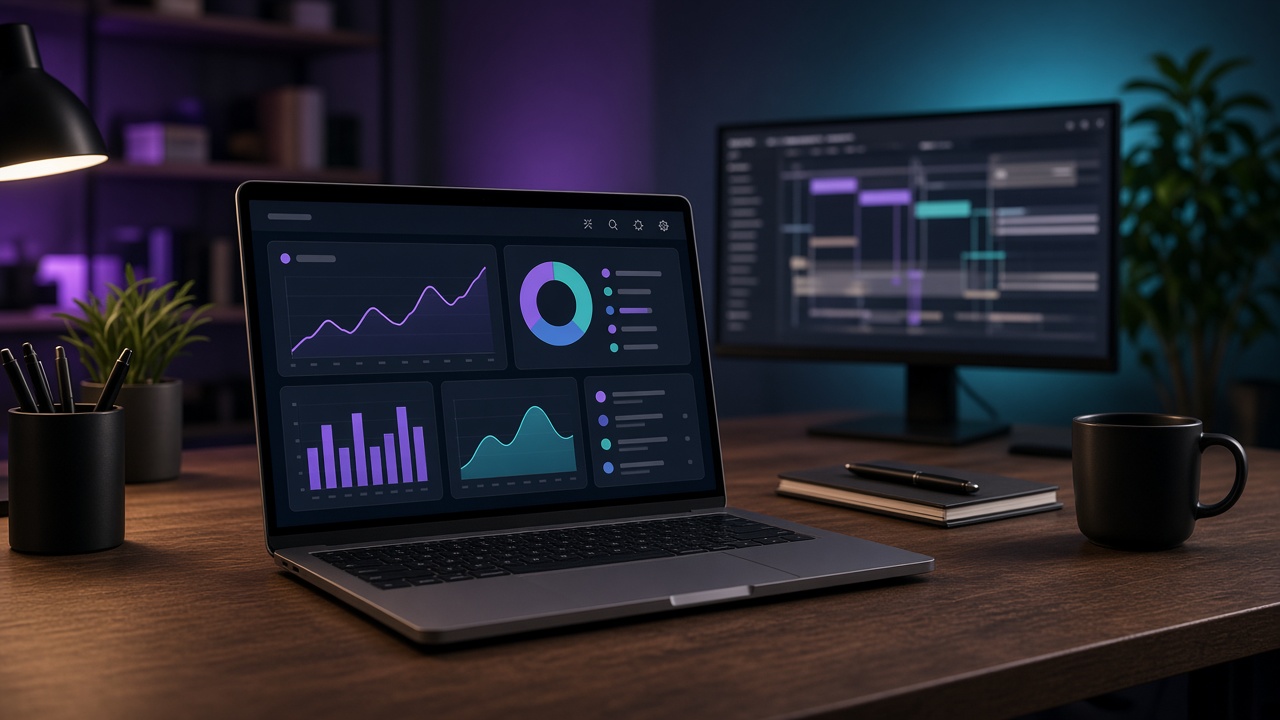
Growth, product, and sales teams searching “Seedance product demo,” “Seedance 2.0 SaaS finish,” or “Seedance AI software demo” usually do not lack a feature list—they lack reusable demo assets: the UI swaps skins, the cursor flies around, voiceover and clicks fall out of sync, and the reshoot cost of every seasonal redesign is too high. This article puts Seedance, Seedance 2.0, and Seedance 2.5 into the product-demo workflow—from feature-path step splits to chapter QA—reducing “new theme every chapter, new method every step, customers still cannot click after watching.”
Related hubs: Seedance 2.0 · Seedance 2.5 · AI Video Generator · Training Video Guide · What Is Seedance
Why “Seedance software product demo” is a high-frequency search term
Mood films can just look good; a product demo needs a checkable path: the same interface, the same click order, the same success state. Seedance 2.0 director-level control, multimodal references, and native audio-video sync let you write “open reports from the second sidebar item” as an acceptable spec, instead of reinventing the demo method every season. Turning search intent into “a feature you can re-watch” lifts finish pass rates under Seedance 2.0 / Seedance 2.5 queries more than shouting “more high-tech.”
- The path is jumpable: one chapter completes one feature goal, so timestamps and the landing page align
- The interface is identifiable: brand color, nav structure, and type hierarchy have cross-shot checkpoints
- Clear upgrade path: lock a 6–12 second feature template on 2.0 first, then evaluate Seedance 2.5 for longer continuous operations
Product demo vs internal training: do not reuse the same prompts
Internal training must manage “learners do the SOP correctly”; an external demo still has to manage “value proposition, success moment, brand no-go zones.” Dropping a training prompt and adding “film it as a homepage spot” usually fails as the steps are correct while the selling points disappear. Retrainable steps can still follow the training video guide; this article only covers reusable SaaS feature-demo finish you can actually publish.
- One chapter, one feature: never stack login, configure, and export a report as three verbs in the same shot
- Value before clicks: result-state close-up before lengthy setup, so viewers are not left seeing menus without payoff
- Keep the skin steady: reuse brand color, sidebar, and top bar across chapters, reducing the “we swapped products” illusion
- Data air: demo data must not leak real customer names; sensitive fields get their own masked chapter
Seedance 2.0 product demo: three layers of writing
Layer 1: interface and brand anchors (required)
Open every prompt by repeating the same identifiers: brand color, sidebar width, top-bar logo position, type weight, empty-state illustration. Without anchor lines, Seedance 2.0 may deliver “looks like the same product, but the skin swapped a generation.” Write demo prohibitions (no competitor UI, no invented metrics) as a copyable prefix. To hold look, use the anchor approach in the character consistency guide—only swap “face” for “product identity.”
Layer 2: feature duty and transitions (strongly recommended)
- State this chapter’s duty: establish the workspace / complete one click / accept the result state / close on the CTA (one primary only)
- Write transition cues: previous chapter’s end modal, next chapter’s open menu, cursor landing point, highlighted field
- Let camera serve the path: establish shot slow push in, operation shot locked or micro-push, accept shot close-up (detail in the camera movement guide)
Layer 3: vocal track and delivery specs (must-have for demos)
Set one clean explainer track for the whole demo (a very light UI bed is allowed), align clicks, saves, and success toasts with the action, and do not change reverb every chapter. Seedance native audio-video sync is built to land the “ding” on the same beat as save; writing is in the audio sync guide. Also unify 16:9 (homepage) or 9:16 (feed), 6–12 seconds per chapter, and a subtitle safe zone so landing pages can slice by timestamp.
A repeatable Seedance product-demo workflow (6 steps)
- Split the core path into 4–8 feature chapters (one checkable goal per chapter); do not write vague “make it look professional”
- Freeze the interface and brand anchor prefix (brand color + nav structure + empty state); every chapter shares it
- Run the workspace sketch on Seedance 2.0 (or Fast) and confirm cursor and buttons are readable
- Generate chapter by chapter: change only “duty + click + camera,” never skin or type
- Check against the demo acceptance list: brand color, navigation, success state, whether picture and sound stay continuous
- Once the template is stable, batch-swap dialogue/language; upgrade to Seedance 2.5 when you need longer continuous operations
Software product demo acceptance checklist
- Are two adjacent chapters still the same product and the same brand color (no skin swap, no nav swap)
- Does each timestamp map to only one feature action, rather than stacked showmanship transitions
- Do cursor and buttons let viewers see “where they click, what appears”
- Is demo data anonymized, with competitor UI or invented metrics not brought in
- Does the explainer land on the same beat as the click, with no “mouth on export, hand still filtering”
Four high-yield Seedance 2.0 demo templates
- Homepage Hero demo: “Same dark workspace and the same purple primary button; ① dashboard establish; ② filter close-up; ③ chart refresh; ④ save-success close; short click SFX, landscape 16:9.”
- New-feature launch: “Strictly the same light settings page; ① entry establish; ② toggle close-up; ③ new panel expand; ④ result-state close; cool-white UI light, toast SFX aligned, 8 seconds per chapter.”
- Sales enablement: “Same customer board and the same brand color; ① list establish; ② open detail; ③ one-click generate report; ④ send close; no real customer names, locked camera.”
- Multilingual landing page: “Same product palette; ① login establish; ② core path; ③ success state; ④ CTA close; light bed, jumpable chapters, easy market slicing.”
How to pick a demo strategy by scenario
- Homepage and pricing page: freeze interface anchors, keep click shots few and precise; on-camera talkers can connect to the talking-head guide
- Driven by live UI captures: lock real screenshots first, then image-to-video; detail in the image-to-video guide
- Feed short demo: give the result state in the first 3 seconds; connect to the short-form video marketing guide
- Need one longer continuous-operation take: prove step-by-step logic on 2.0, then evaluate Seedance 2.5 to reduce cut-across-steps splice feel
When does a long product demo need Seedance 2.5?
Most 6–12 second single chapters, feature-launch slices, and multilingual landing pages are a better fit on Seedance 2.0 (including Fast composition tests and Mini batch language swaps). Move a validated feature template to Seedance 2.5 when you need a near-20–30-second continuous operation, parallel multimodal references (UI screenshot + brand ident + explainer track), or less “cut every step → re-align picture and sound” publish cost.
- A single pass needs a longer continuous shot, with interface and panels turning several times inside the same take
- A complex demo constrained at once by picture style + real UI reference + explainer ident
- A flagship launch that requires higher resolution and fewer visible edit points
See version differences in the 2.0 vs 2.5 comparison and the Seedance 2.5 product page. Rule: prove feature-path splits and interface anchors on 2.0 first, then upgrade for duration and continuity—do not burn 2.5 on every demo experiment.
Common product-demo failure modes
- No feature verb list, so three chapters all “show high-tech feel” with no checkable path
- Rewriting the interface description every chapter, so anchors drift into skin or nav swaps
- Stacking login, configure, and export a report in the same shot, so viewers cannot pause on a single feature
- Empty interface only, no cursor landing point, so it looks flashy but cannot teach the click
- Bed music too loud or reverb changed every chapter, so the string feels like an ad-spot reel rather than one product
Further reading
- Beginner workflow: How to use Seedance 2.0
- Prompt deep dive: Prompt engineering guide
- Text-to-video to lock the path: Text-to-video guide
- Batch language swaps: API batch production guide
Conclusion
Using Seedance 2.0 on software product demos is not about “more flash every season”—it is a reusable feature production line: verb list first, interface and brand anchors frozen, one feature per chapter, with picture-sound and an acceptance list so it still feels like the same product. Lock a 6–12 second feature template on Seedance 2.0, then upgrade to Seedance 2.5 when longer continuous operations are required. When ready, open Seedance 2.0 and start your next AI product demo from one four-line feature path.